Close to Tanzania's Wildlife
Serval Wildlife Sanctuary
Day Trip | Wildlife Sanctuary | Half Day | Siha District, Kilimanjaro | Pickup Included
The Serval Wildlife day trip from Moshi takes you to Serval Wildlife Sanctuary in the Siha District of the Kilimanjaro Region, about one hour from Moshi and 90 minutes from Arusha. This is not a traditional safari. It is a managed wildlife sanctuary where rescued and orphaned animals are cared for, rehabilitated, and in some cases prepared for release into Tanzania’s national parks. Visitors can feed and take photo with giraffes, zebras, greater kudu, elands, and waterbuck. Some animals such as lion and serval cats are available only for taking video or photograph with, but visitors don’t feed them. The sanctuary operates on 100 percent solar power and works directly with Tanzania’s wildlife authorities TAWA and TAWIRI.,
If you want to see animals behaving naturally in open habitat, the Northern Circuit parks are the right choice. If you want to stand next to a giraffe, feed it from your hand, understand the story of how it arrived at this sanctuary, and leave knowing something real about wildlife conservation in Tanzania, this trip is genuinely worth your morning.
This is a wildlife sanctuary, not a wild safari
At Serval Wildlife, the animals are rescued, managed, and cared for by keepers. The experience is up-close and interactive. It is different in kind from a game drive in the Serengeti or Ngorongoro. Both are worth doing. They are not the same thing. This trip is ideal as an add-on before or after a safari, or for visitors who want a wildlife experience without a multi-day park commitment.
Trip at Glance
MealsNot included, local restaurants are available near the hot springs
Activities: Hand-feeding giraffes and zebras, close encounters with lions for photos, guided walk, photography
| Duration | Half day, approximately 4 to 5 hours total |
|---|---|
| Type | Wildlife sanctuary visit — half day trip |
| Departure | Moshi or Arusha hotel pickup at 8am |
| Return | Back in Moshi by approximately 12 to 1pm, Arusha by 1 to 2pm |
| Location | Siha District, Kilimanjaro Region, Tanzania (Sanya Juu area) |
| Distance | Approximately 60 minutes from Moshi, 90 minutes from Arusha |
| Animals | African lions, Masai giraffes, zebras, colobus monkeys, vervet monkeys, bat-eared foxes, elands, ostriches |
| Activities | Hand-feeding giraffes and zebras, close encounters with lions for photos, guided walk, photography |
| Conservation | Operated in partnership with TAWA and TAWIRI. Animals are rescued or orphaned wildlife |
What Serval Wildlife Sanctuary Is
Serval Wildlife Sanctuary is a private conservation project in Siha District, located in the highland area between Mount Kilimanjaro and Mount Meru in the Kilimanjaro Region. It is a registered wildlife facility operating under the Tanzania Wildlife Authority and the Tanzania Wildlife Research Institute, both of which work with the sanctuary on animal care and the rehabilitation programme.
The animals at Serval Wildlife are not wild-caught for visitor entertainment. They are rescued orphans, animals from zoos that were not receiving adequate care, or wildlife that was injured in the wild and could not be returned immediately. The sanctuary’s stated purpose is to rehabilitate these animals and, where possible, return them to Tanzania’s protected national parks. The sanctuary has recently focused a significant part of its programme on rehabilitating lions.
The grounds cover over 1,000 acres and contain more than 3,000 hand-planted endemic plant species, creating a managed but genuinely biodiverse habitat for the animals in residence. The sanctuary operates entirely on solar power. Proceeds from visitor entry fees fund the feeding, veterinary care, and habitat maintenance of the animals.
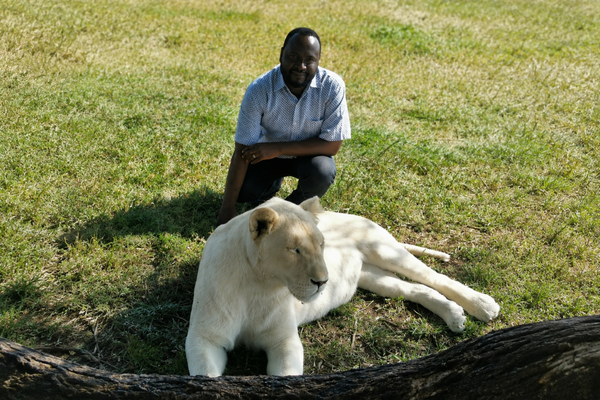
It is worth being clear about one thing: this is not a game drive. The interactions are managed and supervised by experienced keepers. You can take photographs and videos with the lions directly. Visitors get close to animals in a way that is not possible in a national park. That is the point of this trip and the reason people find it genuinely memorable.
The Animals You Will Meet
The following animals are resident at Serval Wildlife Sanctuary. What you see on any given visit depends on where the animals are on the day, but most of the following are visible on a standard visit:
- Masai giraffe — the tallest animal in Africa, hand-feeding possible. The giraffe encounter is the highlight of most visits.
- Zebra — plains zebra, hand-feeding possible in the open areas of the sanctuary.
- African lion — close encounter for photographs and videos. Your guide explains the history of each lion and the rehabilitation programme.
- Black-and-white colobus monkey — free-ranging in the tree canopy above the sanctuary grounds.
- Blue and vervet monkeys — active and curious, frequently interact with visitors without prompting.
- Kudu – one of the largest and most spectacular antelope species. Feeding them is possible.
- Eland — Africa’s largest antelope, calm in the sanctuary environment.
- Wildebeest — present on the broader sanctuary grounds.
Note: Animal availability may change as the sanctuary receives new rescues and releases rehabilitated animals. We will let you know of any significant changes to the resident population when you book.
What The Day Looks Like
Pickup and the drive to the sanctuary
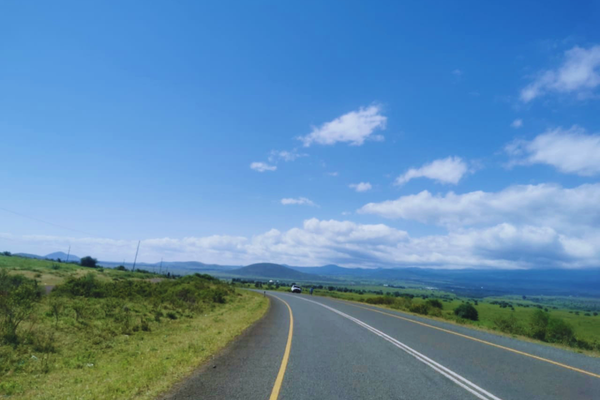
Your guide meets you at your Moshi or Arusha hotel at 8am. The drive to Serval Wildlife follows the road toward Kilimanjaro, passing through the Siha highlands between Mount Meru and Mount Kilimanjaro. The landscape is greener and more elevated than the Moshi plains. You arrive at the sanctuary in under an hour from Moshi and approximately 90 minutes from Arusha.
Arrival and orientation
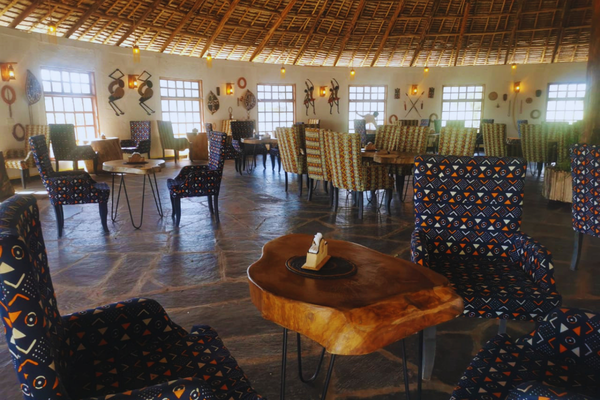
At the entrance your guide registers the group and a sanctuary keeper joins you for the visit. The keeper manages the animal interactions throughout and explains interesting information about the animals, and answer your questions. This context transforms the visit from a petting zoo into something more interesting: you understand the story behind what you are seeing.
The antelopes, giraffe and zebra feeding
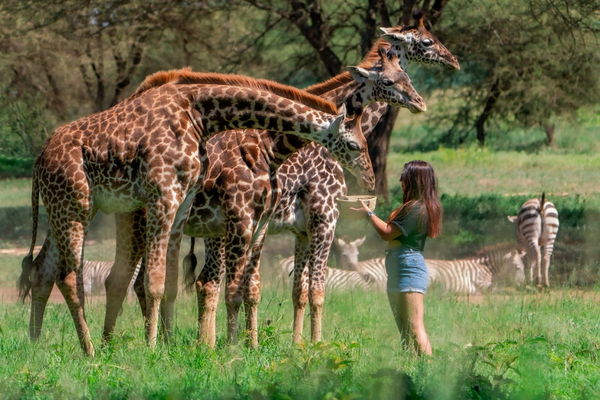
The giraffe feeding is the most popular activity at the sanctuary and for good reason. The sanctuary’s Masai giraffes are accustomed to visitors and approach calmly. You feed them by hand from a raised platform or at ground level depending on the current setup. Zebras and antelopes are fed in a similar way in the open area of the grounds.
Walking the sanctuary grounds
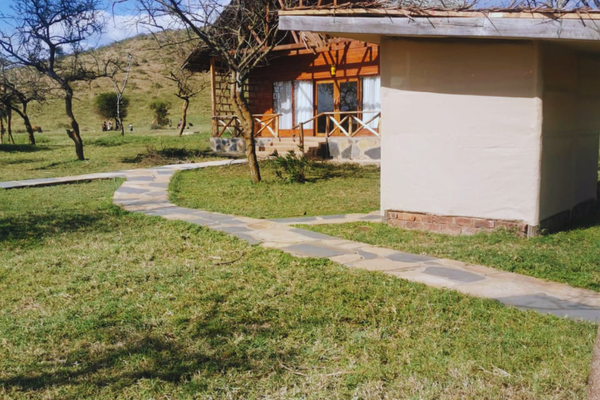
After the feeding sessions your keeper guide walks you through the broader sanctuary grounds. This is where the more freely-ranging animals are encountered: colobus monkeys moving through the canopy overhead, vervet monkeys at eye level, elands grazing in the open grassland.
The lion encounter
The lion encounter is the part of this visit that most surprises people. You can stand directly beside the lions, take photographs, and have your guide explain their individual histories: most arrived as orphans or from zoos where conditions were inadequate
Return to Moshi or Arusha
The visit typically lasts one to two hours at the sanctuary. After the guided walk and animal encounters, your guide drives you back to Moshi or Arusha.
PRICING
From $200 per person.
Private trip with your own group only.
What is Included
- Private transport from your Moshi or Arusha hotel and back
- English-speaking Watoky guide for the drive
- Sanctuary entry fee and guided wildlife encounter
- Keeper-guided animal interactions including giraffe and zebra feeding
- Bottled water for the drive
What is Excluded
- Towel for swimming (bring your own)
- Swimwear (bring your own)
- Lunch (half day version only, available to purchase at the springs)
- Guide gratuity (voluntary, appreciated)
- Travel insurance
- Personal snacks and drinks beyond bottled water
- Lunch at the springs
Best Time For This Trip
| Period | Conditions | Verdict |
|---|---|---|
| Year-round | The sanctuary operates year-round. Animals are resident regardless of season. The visit is not weather-dependent in the way that hiking or swimming trips are. | Any time is good |
| June to October | Dry season. The road to the sanctuary is in good condition. Morning light is excellent for photography. Most visitors are here for safari season and this pairs well as an add-on. | Ideal conditions |
| December to February | Short dry season. Comfortable temperatures. Good light for photography. Less crowded than peak safari months. | Very good |
| April to May | Long rains. The sanctuary itself is accessible. Road conditions are generally fine as the approach roads are maintained. Animals are unaffected. | Good year-round |
Who This Trip is For
The Serval Wildlife day trip is particularly well-suited to four types of visitors.
- Families with young children who want a wildlife experience that is accessible, interactive, and genuinely engaging without the length and logistics of a multi-day safari
- Safari visitors who want a different kind of wildlife encounter in addition to their park game drives, where close interaction rather than distant observation is the point
- Kilimanjaro climbers who have a day or half-day before or after their climb and want to see some of Tanzania’s wildlife without a full safari commitment
- Visitors with limited mobility who cannot access the terrain of the hiking-based day trips but want a meaningful wildlife experience from Moshi or Arusha
Practical Information
Fitness level: Easy. No hiking involved. The walk around the sanctuary grounds is on flat, well-maintained paths. Suitable for all fitness levels and ages including young children and elderly visitors.
Children: Serval Wildlife is one of the most family-friendly day trips available from Moshi. Children of all ages enjoy the giraffe and zebra feeding. The keeper guides adapt their explanations for younger visitors. Bring children who are curious about animals and prepared to listen to the keepers’ instructions.
What to wear: Comfortable casual clothing and closed shoes. The sanctuary grounds are well-maintained and there is no difficult terrain, but open-toed sandals are not recommended around larger animals.
Photography: This is one of the best photography opportunities of any Watoky Safaris day trip. A standard smartphone camera produces excellent results at the feeding sessions due to the proximity of the animals. A zoom lens is useful for the lion enclosure. The morning light in the Siha highlands is very good.
Visiting from Arusha: The drive is approximately 90 minutes each way. Total trip time from Arusha is about 4 to 5 hours, returning to Arusha by early afternoon.
Visiting from Moshi: The drive is approximately one hour each way. Total trip time from Moshi is about 3 to 4 hours, returning to Moshi before midday.
Got Questions?
Frequently Asked Questions
Is Serval Wildlife a zoo?
Serval Wildlife Sanctuary is not a conventional zoo. It is a registered wildlife conservation facility that receives rescued, orphaned, and injured wild animals, cares for them, and works with Tanzania’s wildlife authorities TAWA and TAWIRI toward rehabilitation and release where possible. The key difference from a zoo is the conservation purpose: the animals are not collected for permanent display but are passing through a managed care environment on the way back to the wild where that is achievable. That said, it is a managed facility with enclosures, not a wild habitat.
Can I touch the animals?
You can hand-feed and touch antelopes, giraffes and zebras. The lion encounter allows close contact for photographs and videos with the lions directly. All interactions are supervised by the sanctuary’s keepers throughout the visit.
Is this trip suitable for children?
Yes. Serval Wildlife is one of the best child-friendly day trips available from Moshi or Arusha. The giraffe and zebra feeding is engaging for children of all ages. There is no hiking, no difficult terrain, and the entire visit is managed and supervised. The keeper guides are experienced at explaining wildlife to children in ways that hold their attention. Children who are old enough to follow basic instructions around animals, typically from about 4 years old upwards, manage this visit very well.
How is this different from a traditional safari?
On a traditional safari in Tanzania’s national parks, you observe wildlife from a vehicle at a distance determined by the animals’ natural behaviour. You do not feed, touch, or approach animals. The experience is about watching wild animals living freely in their natural habitat. At Serval Wildlife Sanctuary, the animals are managed, the interactions are designed, and the purpose is close-encounter education and conservation.
How far is Serval Wildlife from Moshi and Arusha?
Serval Wildlife Sanctuary is located in Sanya Juu in the Siha District of the Kilimanjaro Region, approximately one hour by road from Moshi town and 90 minutes from Arusha. The sanctuary is also about 35 minutes from Kilimanjaro International Airport, making it a practical option for visitors who arrive at the airport with time before their onward journey. The roads to the sanctuary are maintained and accessible in a standard vehicle.
Can I combine this with another Watoky Safaris day trip?
Yes. The Serval Wildlife trip ends before midday from Moshi and by early afternoon from Arusha, leaving time for another activity in the afternoon. From Moshi it pairs well with the Chemka Hot Springs trip in the afternoon, which is about an hour from Moshi in a different direction. From Arusha it can be combined with an afternoon city walk or a visit to the Cultural Heritage Centre.
Ready for Serval Wildlife Sanctuary ? Start Here
Send us your preferred date and group size and we will confirm availability within 24 hours. Your guide will be in touch directly. This trip runs most days of the week.
No payment until your trip is confirmed. You will receive full details and a cost breakdown before you commit to anything.
- Chat on WhatsApp Quickest response
Most guests reach us this way. Send a short message with your dates and we will reply with a full quote, usually within a few hours.
+255 623 889 000